
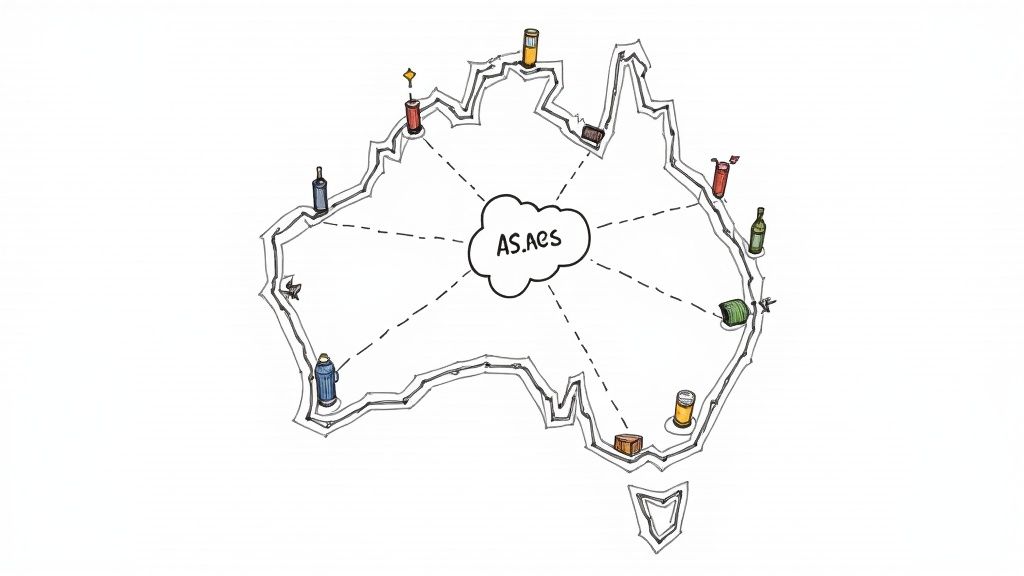
Australia's Fast-Moving Consumer Goods (FMCG) sector is a dynamic and fiercely competitive landscape. For the supermarket giants and specialised retailers that form its backbone, success hinges on more than just products—it demands a sophisticated digital strategy to manage complex supply chains, B2B partnerships, and customer relationships. The key challenge is unifying vast amounts of data from sales, marketing, and service into a single, actionable view of the business.
This article explores seven leading FMCG Australia companies, analysing their operational models and highlighting the critical role Salesforce plays in solving their core business challenges. As a Salesforce partner with deep project experience, we've seen how implementing a robust CRM like Salesforce transforms operations. From streamlining trade promotions with Sales Cloud to enhancing customer support with Service Cloud, the right technology provides a powerful competitive edge.
We will unpack the specific challenges these giants face and demonstrate how Salesforce solutions deliver tangible results. For each company, we will outline a business challenge, a potential Salesforce solution, and the benefits it delivers. This guide provides actionable insights for decision-makers looking to leverage a powerful CRM to drive efficiency, automation, and growth in the fast-paced FMCG market.
1. Woolworths Online (Woolworths Group)
As one of the largest and most recognisable FMCG Australia companies, Woolworths Group holds a dominant position. Its online platform, Woolworths Online, is a cornerstone of the Australian grocery market, but managing its massive scale presents significant operational challenges in logistics, customer service, and B2B account management.
The Business Challenge: Managing Scale and Personalisation
For a retailer of this size, the primary challenge is maintaining a seamless customer experience across millions of transactions while managing a complex supply chain and a growing B2B client base. Key pain points include:
- Fragmented Customer Data: Siloed information between the Everyday Rewards program, online orders, and customer service inquiries makes it difficult to get a 360-degree customer view.
- Inefficient B2B Account Management: Onboarding and managing procurement for thousands of small businesses, cafes, and childcare centres using manual processes is slow and prone to error.
- High-Volume Service Inquiries: Handling thousands of daily questions about orders, deliveries, and product availability requires a highly efficient, scalable customer service solution.
The Salesforce Solution: A Unified Commerce and Service Platform
Implementing the Salesforce platform provides a single source of truth to connect commerce, marketing, and service operations.
- The Solution: Deploying Salesforce Service Cloud to power its customer support centres would unify all inquiries onto a single console. Integrating this with Salesforce CDP (Data Cloud) would consolidate customer data from all touchpoints, creating rich, unified profiles for personalised engagement. For B2B partners, an Experience Cloud portal could streamline ordering and account management.
- The Results & Benefits: This digital transformation would lead to faster case resolution times, reduced operational costs, and a significant uplift in customer satisfaction. B2B clients would benefit from a self-service portal, improving their procurement efficiency. For expert guidance on how such integrations work, you can find more information about our Salesforce consulting services.
Website: https://www.woolworths.com.au
2. Coles Online (Coles Group)
As a leading player among FMCG Australia companies, Coles Group leverages its online platform and the popular Flybuys loyalty program to drive customer retention. The core challenge is converting this vast repository of loyalty data into highly personalised marketing and a seamless B2B procurement experience.
The Business Challenge: Activating Loyalty Data at Scale
Coles Online processes millions of transactions tied to the Flybuys program, but effectively using this data to drive personalised marketing and streamline B2B services is a major hurdle.
- Generic Marketing Campaigns: Without a sophisticated marketing automation platform, promotions often remain generic, failing to capitalise on individual purchase histories and preferences.
- Complex B2B Onboarding: Managing corporate accounts and procurement for SMEs through traditional channels is inefficient and doesn't leverage the rich data available through Flybuys.
- Disconnected Customer Journey: Data from online browsing, in-store purchases, and Flybuys is often not integrated, leading to a fragmented view of the customer.
The Salesforce Solution: Data-Driven Personalisation and B2B Engagement
Salesforce provides the tools to connect loyalty data with marketing automation and B2B account management, creating a more intelligent and personalised experience.
- The Solution: Implementing Salesforce Marketing Cloud would allow Coles to segment customers based on Flybuys data and purchase history, powering highly personalised email and mobile campaigns. Sales Cloud could be used to manage B2B accounts, tracking procurement patterns and identifying up-sell opportunities for its Coles Plus membership among business clients.
- The Results & Benefits: This leads to higher campaign engagement, increased customer lifetime value, and more efficient B2B sales cycles. By understanding business purchasing habits, Coles can proactively offer tailored solutions, strengthening partner loyalty. For professional advice on tailoring a CRM for high-volume B2B commerce, you can learn more about Salesforce consulting services.
Website: https://www.coles.com.au
3. IGA Shop Online (Metcash independent network)
IGA's unique, decentralised network of independently owned stores presents a significant challenge for FMCG Australia companies: how to deliver a consistent brand experience and national marketing campaigns while empowering local store owners. The key is providing a central platform that supports both national strategy and local execution.
The Business Challenge: Unifying a Federated Network
Metcash, the central wholesaler, needs to provide tools and resources to hundreds of independent IGA store owners. This creates several challenges:
- Inconsistent Marketing: National promotions are difficult to execute consistently at the local level, leading to a fragmented brand message.
- Lack of Centralised Data: Without a unified platform, Metcash has limited visibility into store-level performance and customer data across the network.
- Inefficient Partner Communication: Communicating new product lines, marketing assets, and operational updates to hundreds of independent owners is a major logistical challenge.
The Salesforce Solution: A Centralised Partner Enablement Portal
Salesforce can bridge the gap between the national brand and independent operators, fostering collaboration and driving growth across the network.
- The Solution: Deploying Salesforce Experience Cloud would create a powerful portal for IGA store owners. This portal would serve as a one-stop-shop for ordering from Metcash, accessing marketing materials, and viewing performance dashboards. Integrating this with Salesforce Marketing Cloud would allow Metcash to run national campaigns that store owners could easily localise and deploy.
- The Results & Benefits: This solution empowers store owners with the tools they need to succeed, improves brand consistency, and provides Metcash with invaluable data on network-wide performance. It transforms the relationship from a simple supplier-retailer dynamic into a true digital partnership.
Website: https://www.igashop.com.au
4. Harris Farm Markets
Harris Farm Markets has built its brand on premium quality and an exceptional customer experience. As the business scales, its challenge is to maintain this high-touch service and manage complex logistics, including express delivery, without compromising on quality or efficiency.
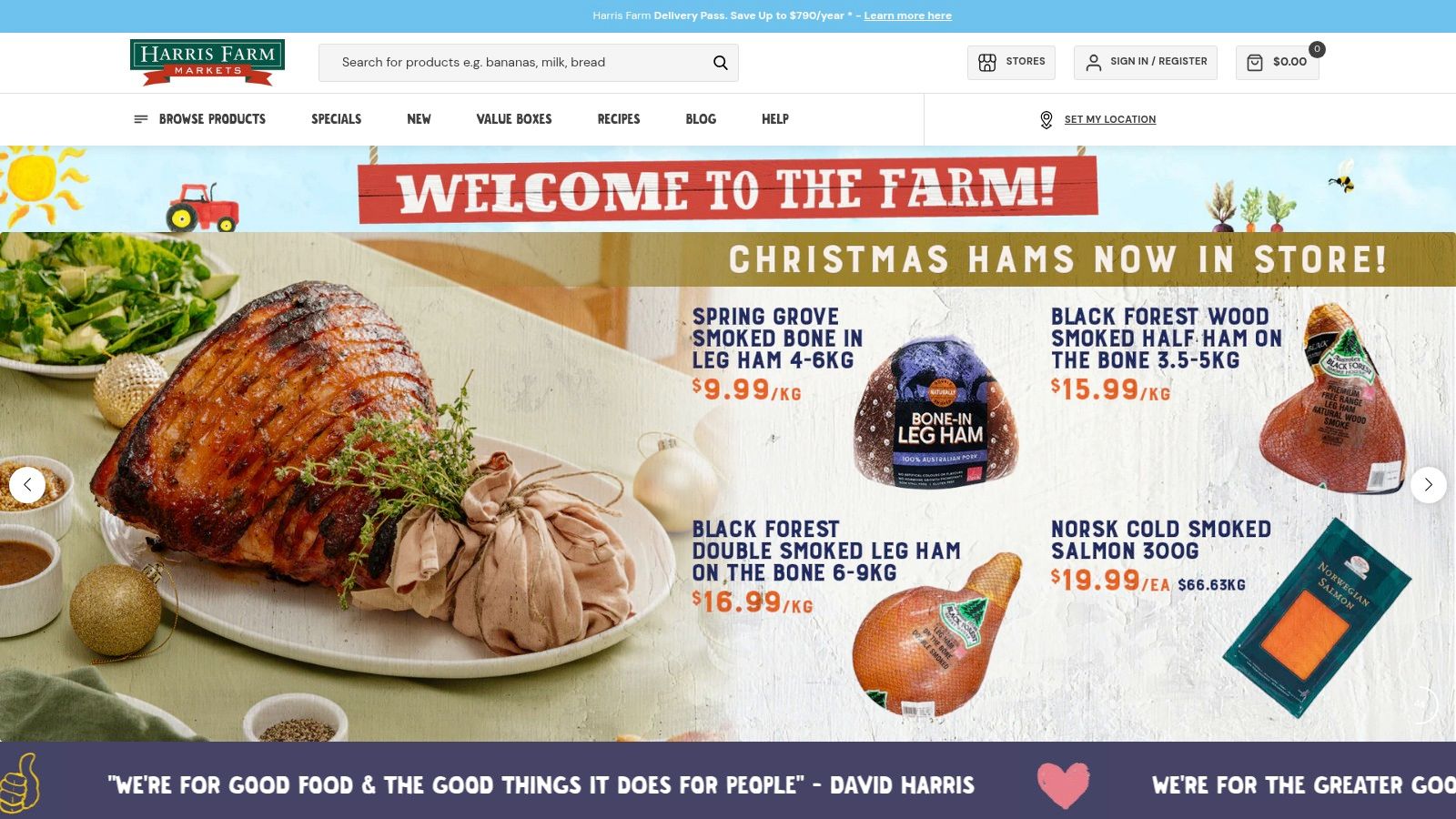
The Business Challenge: Scaling a Premium Experience
For a niche player among FMCG Australia companies, maintaining a personalised feel while expanding its B2B client base and delivery options is a core operational hurdle.
- Managing High-Value B2B Accounts: Corporate clients and premium hospitality businesses require a higher level of service and account management than standard B2C customers.
- Personalising at Scale: Delivering targeted offers and recommendations based on past purchases requires a sophisticated system to manage customer data.
- Complex Delivery Logistics: Coordinating standard, Click & Collect, and express delivery services requires tight integration between the e-commerce platform and logistics partners.
The Salesforce Solution: CRM for High-Touch B2B and B2C Engagement
Salesforce provides the tools to manage both high-value corporate accounts and personalised B2C marketing from a single platform.
- The Solution: Implementing Salesforce Sales Cloud would allow Harris Farm to manage its B2B clients, tracking recurring orders, and streamlining the procurement process. Salesforce Marketing Cloud could then be used to create personalised customer journeys for its retail customers, sending targeted offers for products they frequently purchase. One of our partners successfully leverages a similar premium supply chain; you can learn more about their operational model.
- The Results & Benefits: This integrated approach increases the lifetime value of both B2B and B2C customers. B2B clients receive a dedicated, efficient service, while retail customers enjoy a highly personalised shopping experience, reinforcing the brand's premium positioning.
Website: https://www.harrisfarm.com.au
5. Chemist Warehouse
Chemist Warehouse's high-volume, low-margin model makes it a powerhouse in the Australian FMCG sector. The primary challenge is managing millions of transactions and customer inquiries efficiently while maintaining a seamless experience across its vast network of physical stores and a powerful online platform.
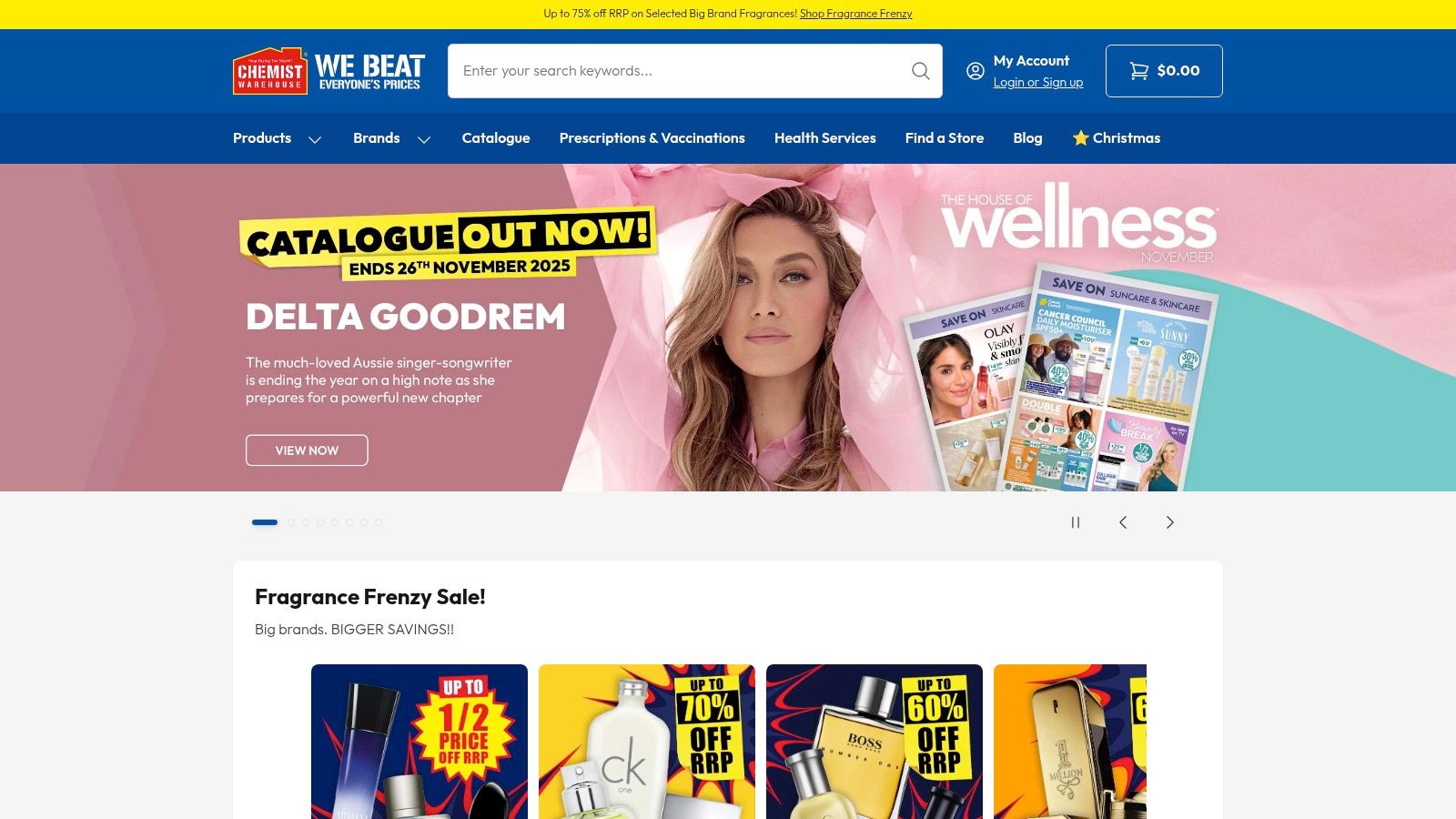
The Business Challenge: Operational Efficiency at Extreme Scale
For a business processing such a high volume of orders, any inefficiency in customer service or data management can have a major impact on profitability.
- Overwhelmed Customer Service: A high number of inquiries about orders, products, and deliveries can overwhelm support teams without a centralised and intelligent system.
- Fragmented Customer View: Data from in-store purchases, online orders, and the loyalty program is often siloed, preventing a holistic understanding of customer behaviour.
- Generic Marketing: Without deep customer segmentation, marketing efforts cannot be effectively personalised, reducing their impact.
The Salesforce Solution: An Integrated Service and Marketing Engine
Salesforce provides the automation and data unification needed to operate efficiently at scale, turning customer data into a strategic asset.
- The Solution: Deploying Salesforce Service Cloud would centralise all customer support inquiries into a single, unified console, leveraging AI-powered chatbots to handle common questions and free up agents for more complex issues. Marketing Cloud could then segment customers based on their complete purchase history (online and in-store), enabling highly targeted promotions.
- The Results & Benefits: This leads to a dramatic improvement in customer service efficiency, lower operational costs, and higher marketing ROI. Businesses that partner with Chemist Warehouse can benefit from engaging with experts in Salesforce consulting services to align their B2B processes with these high standards of operational excellence.
Website: https://www.chemistwarehouse.com.au
6. Amazon Australia
As one of the world's largest e-commerce platforms and a key player among online FMCG Australia companies, Amazon's challenge lies in managing the immense complexity of its marketplace, which includes millions of customers, thousands of third-party sellers, and a sophisticated logistics network.
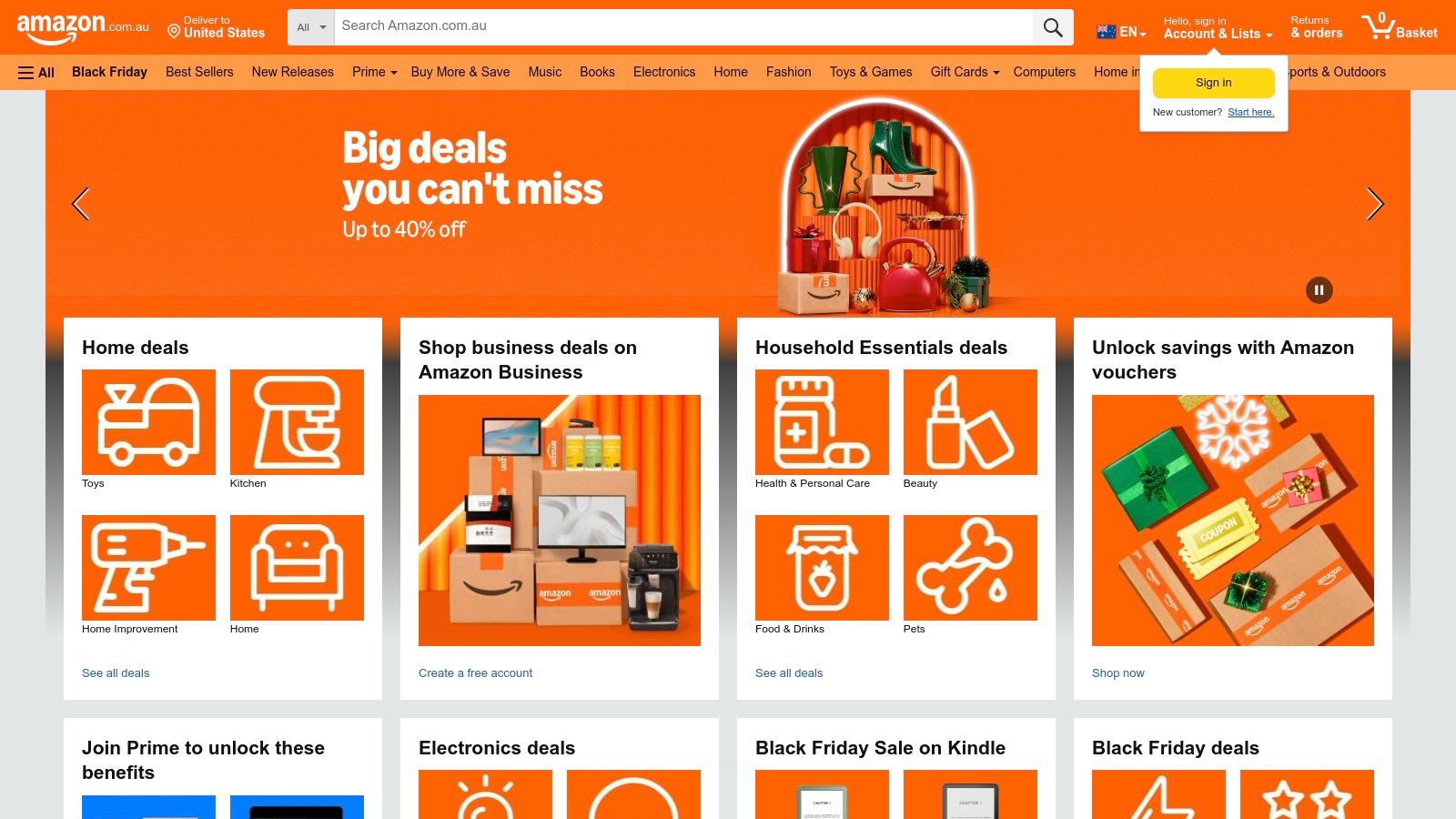
The Business Challenge: Managing a Complex Two-Sided Marketplace
Amazon must provide a seamless experience for both buyers and sellers, which involves significant operational and data management challenges.
- Multi-Channel Support: Providing effective support for both customers (with order inquiries) and sellers (with listing and payment issues) requires a robust, multi-channel service platform.
- Seller Onboarding and Management: Efficiently onboarding, managing, and supporting thousands of third-party sellers is critical to the marketplace's success.
- Data Integration: For businesses selling on Amazon, integrating their own CRM and order management systems with Amazon's APIs is a complex but essential task for maintaining accurate data.
The Salesforce Solution: A Platform for Marketplace Management
Salesforce provides the infrastructure to manage the complex relationships and high transaction volumes inherent in a large-scale digital marketplace.
- The Solution: A platform like Salesforce Service Cloud is essential for managing multi-channel support for both buyers and sellers. For businesses selling on Amazon, integrating their own Salesforce CRM with Amazon's systems via APIs is crucial. This allows them to manage orders, customer data, and inventory from a single source of truth.
- The Results & Benefits: A well-integrated system provides sellers with a 360-degree view of their Amazon business, enabling them to manage orders more efficiently and provide better customer service. This approach is detailed in various Salesforce project case studies, showing how vital CRM integration is for scaling e-commerce operations.
Website: https://www.amazon.com.au
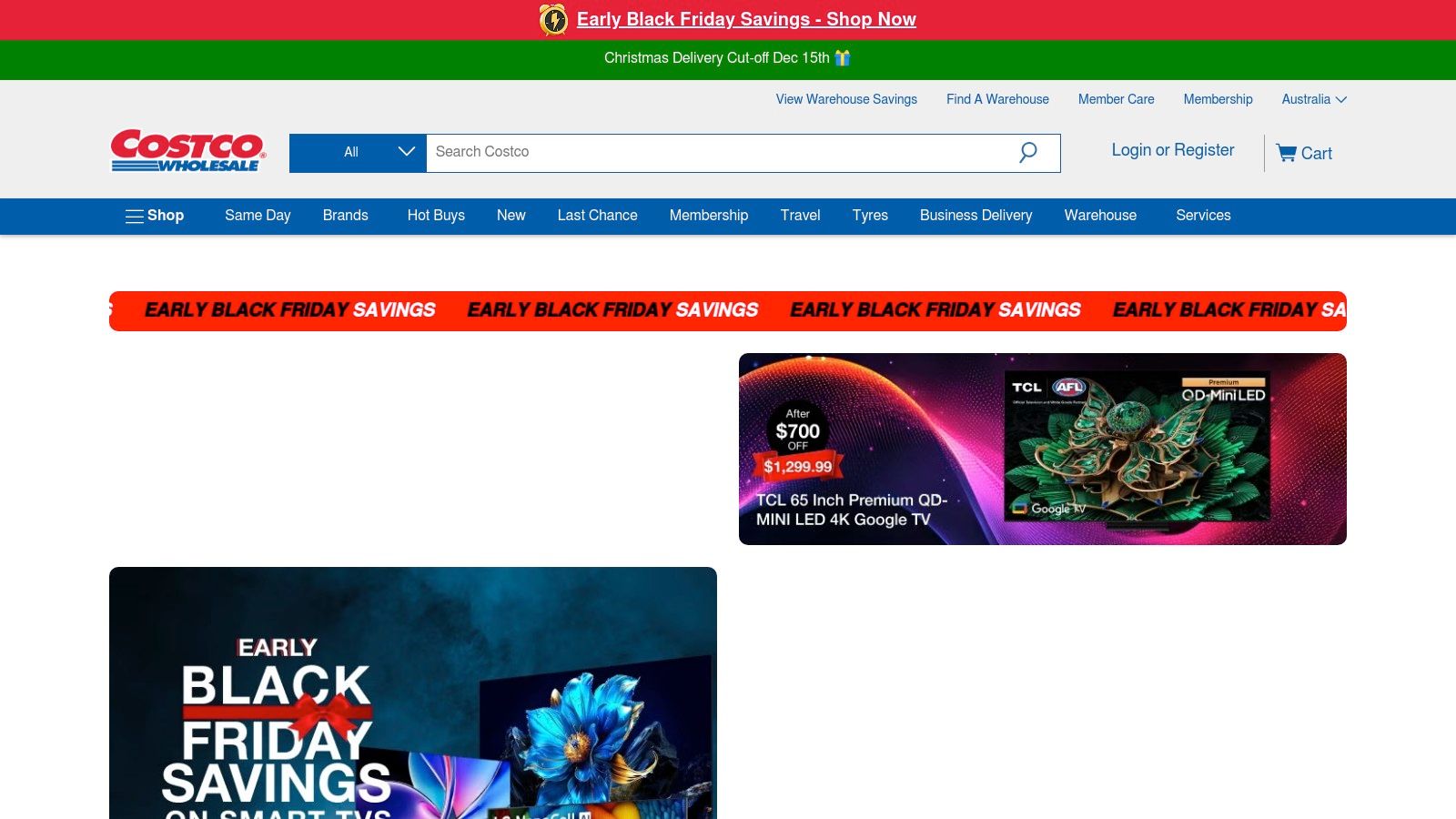
7. Costco Australia
Costco's membership-based wholesale model makes it a unique player among FMCG Australia companies. The central business challenge is managing its member lifecycle effectively—from acquisition and engagement to renewal—while handling the logistics of bulk purchasing for both B2C and B2B customers.
The Business Challenge: Maximising Member Lifetime Value
The success of the Costco model depends entirely on retaining its member base and encouraging consistent spending.
- Managing Member Renewals: Proactively managing the renewal process for millions of members requires an automated and personalised communication strategy.
- Tracking B2B Engagement: Identifying and nurturing high-value business members requires a dedicated CRM to track their purchasing behaviour and manage the relationship.
- Personalised Communication: Sending relevant offers and information based on a member's purchase history is key to driving engagement and demonstrating the value of the membership.
The Salesforce Solution: A Unified Commerce and Membership Platform
Salesforce provides the tools to manage the entire member lifecycle, from e-commerce transactions to targeted marketing and renewals.
- The Solution: Implementing Salesforce Commerce Cloud would power its e-commerce operations, providing a seamless shopping experience. This would be integrated with Salesforce Marketing Cloud to automate personalised communications, such as renewal reminders and targeted offers based on past purchases. Sales Cloud could be used to manage high-value B2B member accounts.
- The Results & Benefits: This integrated system would increase member retention rates, drive higher average spend per member, and improve the efficiency of B2B account management. A great example of leveraging technology for operational efficiency can be seen in our Vending First case study, which showcases how smart systems can streamline B2B service delivery.
Website: https://www.costco.com.au
FAQ: Leveraging Salesforce for FMCG Success
Q1: What is the most significant benefit of Salesforce for an FMCG company?
The most significant benefit is achieving a single source of truth. Salesforce unifies data from sales, service, marketing, and commerce, providing a 360-degree view of both B2B partners and end consumers. This enables smarter decision-making, from trade promotion planning to personalised marketing.
Q2: Can Salesforce integrate with existing ERP systems used in the FMCG industry?
Yes, absolutely. Salesforce is designed for integration. Using platforms like MuleSoft or custom APIs, it can seamlessly connect with major ERP systems like SAP and NetSuite, ensuring that data flows smoothly between your front-office and back-office operations for a complete view of your business.
Q3: How does Salesforce help manage trade promotions and field sales teams?
Salesforce Sales Cloud, combined with specific Consumer Goods Cloud features, provides powerful tools for trade promotion management (TPM). It allows you to plan, execute, and track the ROI of promotions. For field sales, the Salesforce mobile app provides reps with real-time access to customer data, inventory levels, and order history, enabling them to be more effective in the field.
Q4: Is Salesforce suitable for smaller FMCG suppliers, not just large retailers?
Yes. Salesforce offers scalable solutions suitable for businesses of all sizes. For a smaller supplier, Salesforce Essentials or Sales Cloud can help manage relationships with retailers, track sales pipelines, and automate key processes, providing the digital foundation needed to grow and partner effectively with larger FMCG Australia companies.
Your Roadmap for Digital Transformation in the FMCG Sector
Navigating Australia's FMCG landscape requires more than operational efficiency; it demands a data-driven, customer-centric approach. As we've seen, the industry's leaders leverage powerful platforms like Salesforce to unify their operations, personalise engagement, and build stronger B2B partnerships. For the suppliers, distributors, and service providers that form the backbone of this ecosystem, aligning your digital capabilities is no longer optional—it's essential for growth.
The core challenge for most businesses is the disconnect between sales, service, and supply chain data. This friction leads to missed opportunities and inefficient processes. A strategic Salesforce implementation solves this by creating a single source of truth, automating manual tasks, and enabling data-driven decisions. Whether it's using Sales Cloud to manage trade promotions or Service Cloud to support B2B clients, the platform provides the tools to become a more agile and valuable partner.
Embarking on this digital transformation journey requires a clear plan. Start by auditing your current processes to identify the biggest bottlenecks. Define your core use cases—are you trying to improve demand forecasting, streamline B2B ordering, or enhance field sales effectiveness? Finally, seek an implementation partner with proven experience in the Australian FMCG sector who understands its unique challenges.
By embracing a unified platform, you not only optimise your own operations but also position your business as an indispensable partner to the retail giants that define the industry.
Ready to transform your engagement with Australia's leading FMCG companies? As a dedicated Salesforce partner with over 110 successful implementations, Adaptal specialises in tailoring CRM and ERP solutions for the unique demands of the Australian market. We build the integrated systems that power growth, efficiency, and lasting commercial relationships. Explore our Salesforce services and book a consultation to discuss your digital transformation roadmap today.